
Power Outage Backups
Many of our patients rely on medical equipment such as oxygen concentrators, CPAP machines, motorized wheelchairs, or other powered devices. While these tools are essential, they can be affected by storm-related power outages. To keep residents safe, confirm that each person has backup batteries or portable oxygen tanks on hand, and know how long each will last. If a resident depends on more than one device, make sure additional equipment is available as a backup.
Refrigerated medications, like insulin, need a plan as well. Keep coolers with ice packs ready, and know the safe temperature window for each medication before it's no longer effective to administer.
Emergency Supplies
Severe storms don't just affect individual facilities — they can disrupt the broader community too. Delivery routes and pharmacy stock levels may be interrupted, meaning medications might not arrive in the right amount or on time. Keeping a minimum three-to-seven-day supply of medication on hand is one of the best ways to protect residents from disruptions caused by severe weather.
In addition to an extra supply, help residents put together a simple "go-bag" in case evacuation becomes necessary. A small bag or container with a medication list, dosages, and a few days' supply can make evacuation smoother and safer.
Staying Informed
Make sure both residents and staff understand key warning signs and terminology. Short training sessions on the difference between a watch (conditions are possible) and a warning (severe weather is happening or imminent) can go a long way, especially for tornadoes and thunderstorms. This distinction can be confusing for anyone, and even more so for those with hearing or cognitive changes — so keeping everyone informed is essential to staying safe.
Everyone — staff, residents, and visiting family or friends — should also know where to go if a storm is imminent. Whether it's a resident's room or the lowest floor of the building, knowing the designated shelter spot ahead of time matters.
Staying informed shouldn't stop with residents and staff. Create a plan for notifying family members if severe weather disrupts the facility, and establish a backup communication system in case phone lines or internet service go down. Power outages can affect more than medical equipment — they can affect how quickly you're able to reach help.
Year-Round Prevention
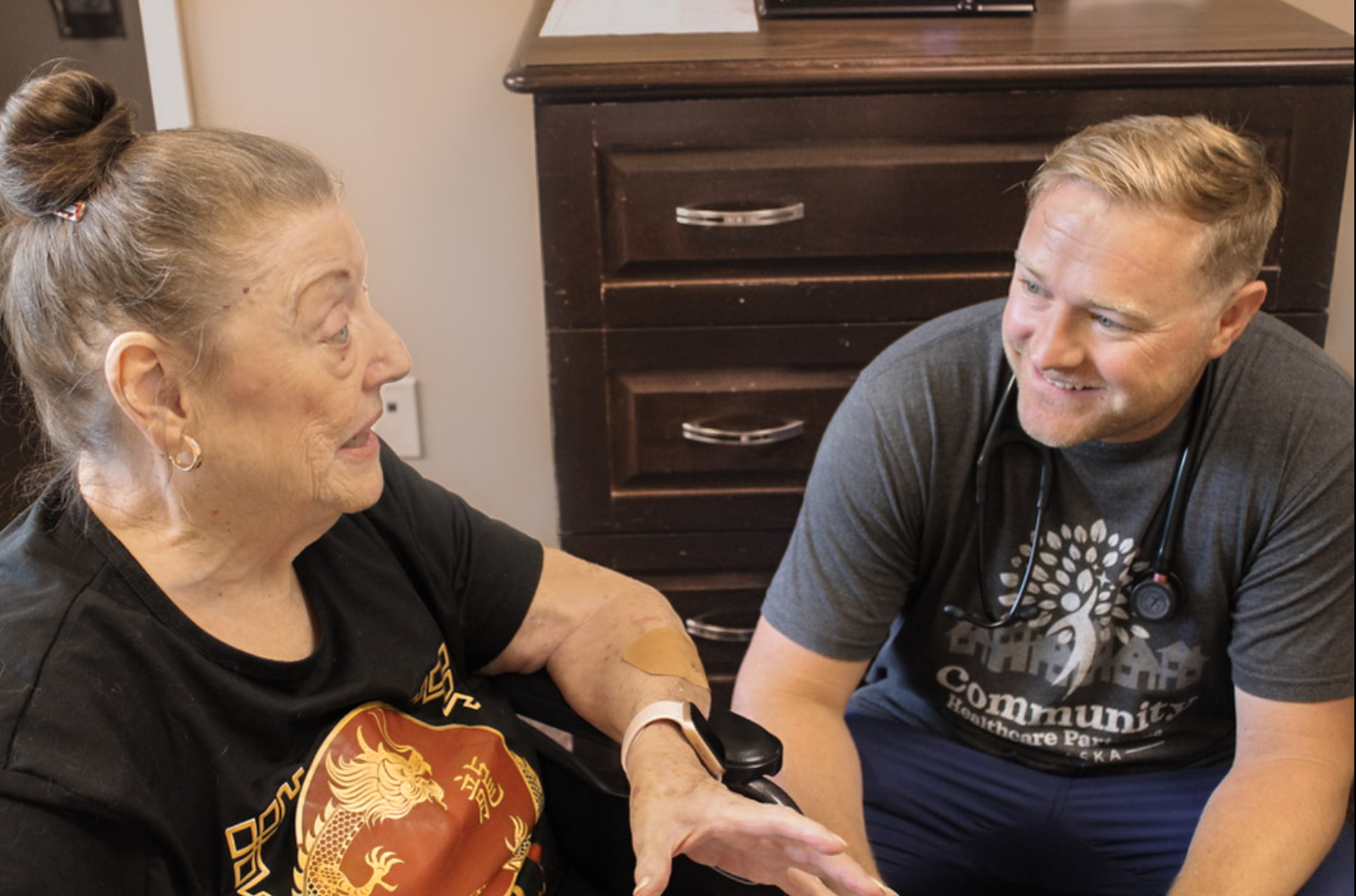
Safety precautions shouldn't be limited to one month out of the year. Having a home-based primary care team means fewer disruptions from the start — reducing the need for transportation to a clinic during unpredictable weather and allowing for flexible scheduling around storm-related delays.
Take precautionary measures for you and your loved ones today with Community Healthcare Partners.