
Staying Safe and Hydrated: Summer Health Tips for Seniors in Nebraska
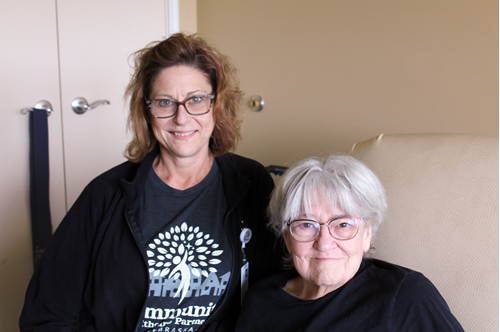
As summer begins across Nebraska, warmer temperatures and increased outdoor activity bring important health considerations for seniors. Dehydration and heat-related illness are among the most common — and preventable — summer health risks for older adults. Primary care providers across Nebraska play a key role in helping seniors stay safe, hydrated, and healthy throughout the summer months.
WHY SENIORS IN NEBRASKA ARE AT HIGHER RISK FOR DEHYDRATION
As we age, the body’s ability to regulate temperature and recognize thirst decreases. Nebraska summers, combined with chronic conditions and medications, can increase dehydration risk.
Common contributors include:
• Reduced sense of thirst
• Diuretics and blood pressure medications
• Limited mobility or access to fluids
• Cognitive impairment
Without proactive monitoring, dehydration can lead to dizziness, confusion, falls, and hospitalizations.
SIGNS OF DEHYDRATION AND HEAT STRESS
Early signs may include:
• Fatigue or weakness
• Dry mouth or lips
• Dark urine or decreased urination
• Lightheadedness or confusion
Recognizing these signs early helps prevent serious complications.
HOW PRIMARY CARE SUPPORTS SUMMER SAFETY IN NEBRASKA
Primary care providers support seniors by:
• Reviewing medications that affect hydration
• Monitoring weight and vital signs
• Educating patients and caregivers on hydration needs
• Identifying early signs of heat-related illness
Proactive summer check-ins help Nebraska seniors stay safe, comfortable, and out of the hospital.